Last Updated: March 2026
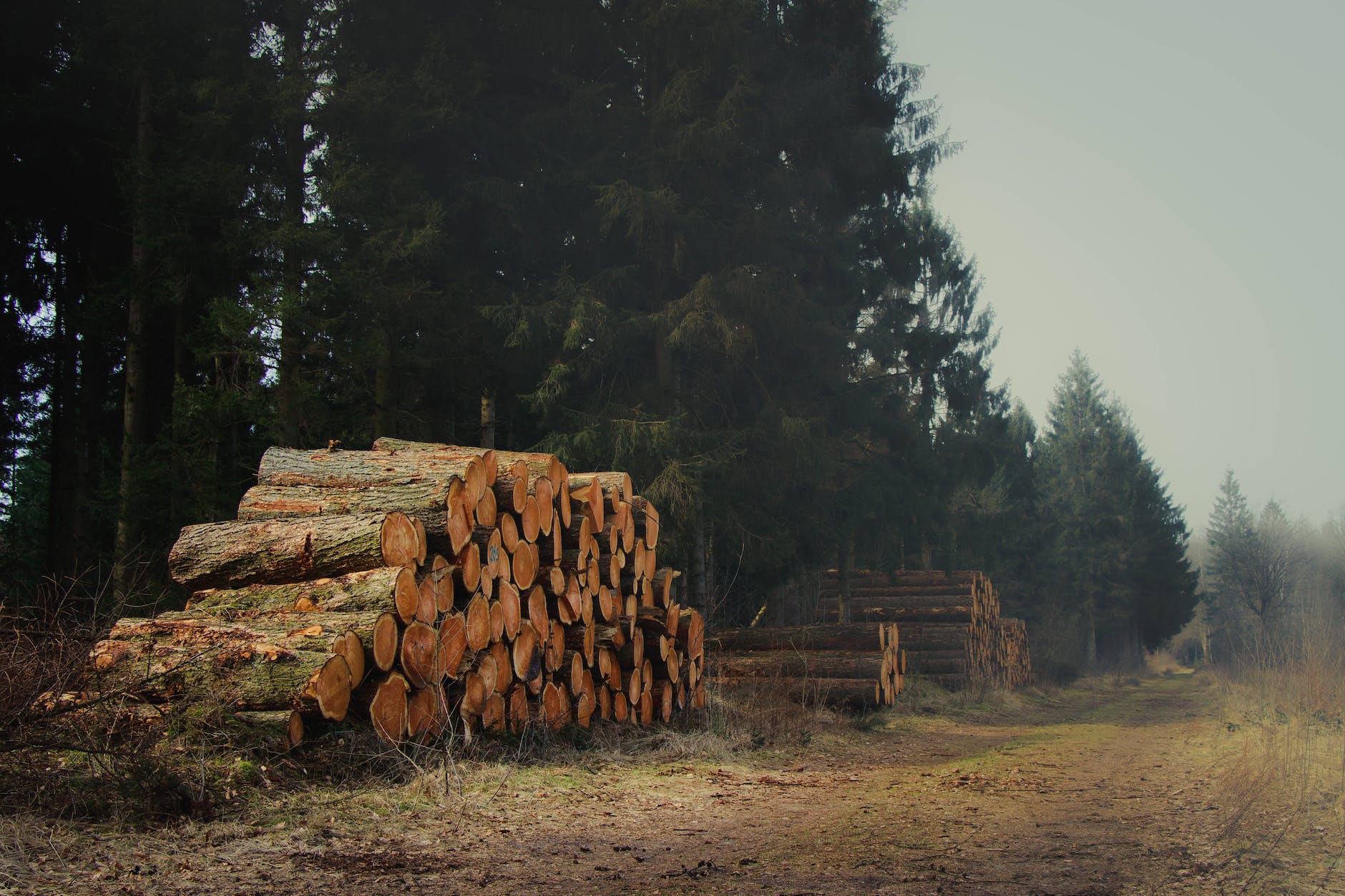
Deforestation is the large-scale clearing of forests for agriculture, logging, mining, and development. It is one of the leading contributors to climate change because trees store carbon dioxide (CO₂), and when they are cut down, that carbon is released back into the atmosphere. Reducing deforestation is essential to lowering global emissions, protecting biodiversity, and stabilizing ecosystems.
Globally, an estimated 10 million hectares of forest are lost every year. Forests absorb roughly 7–8 billion metric tons of CO₂ annually, making them one of the planet’s most powerful natural climate regulators. When forests disappear, we lose one of our strongest defenses against global warming.
Beyond climate impacts, deforestation disrupts water cycles, reduces rainfall stability, increases soil erosion, and threatens wildlife habitats. It also affects the livelihoods of millions of people who depend on forests for food, shelter, medicine, and income.
The good news? There are practical, proven solutions that governments, businesses, and individuals can implement right now to reduce deforestation and slow climate change.
Below are 15 effective strategies that work.
The Impact of Deforestation on Climate Change
Before exploring the solutions, it’s important to understand why this issue is urgent.
Deforestation contributes approximately 8–10% of global greenhouse gas emissions. When trees are burned or cleared:
- Stored carbon is released into the atmosphere
- Biodiversity declines
- Local rainfall patterns shift
- Soil fertility decreases
- Indigenous communities are displaced
Forests like the Amazon also regulate precipitation by releasing water vapor into the atmosphere — disrupting this process affects regional and global climate systems.
Reducing deforestation is not optional — it is necessary.
15 Effective Ways to Reduce Deforestation
1. Reforestation and Tree Planting
Replanting native trees in deforested areas restores ecosystems and absorbs atmospheric CO₂.
Why it works: Trees act as natural carbon sinks and improve soil and biodiversity recovery.
2. Support Sustainable Forestry Practices
Selective logging, reduced-impact harvesting, and long-term forest management prevent overexploitation.
Why it works: Forests remain productive without complete ecosystem destruction.
3. Reduce Paper and Wood Consumption
Switch to digital alternatives and reusable materials where possible.
Why it works: Lower demand reduces pressure on commercial logging operations.
4. Strengthen Environmental Policies and Law Enforcement
Governments must enforce anti-logging laws and restrict illegal land clearing.
Why it works: Policy change has the largest-scale impact.
5. Promote Agroforestry
Agroforestry integrates trees into agricultural systems.
Why it works: Farmers maintain productivity without clearing additional forests.
6. Create Financial Incentives for Conservation
Programs like carbon credits and payment for ecosystem services reward forest protection.
Why it works: Conservation becomes economically competitive with deforestation.
7. Implement REDD+ Programs
REDD+ (Reducing Emissions from Deforestation and Forest Degradation) provides funding to developing countries for forest conservation.
Why it works: It aligns climate goals with economic development.
8. Establish Protected Areas and National Parks
Protected reserves legally restrict industrial activity.
Why it works: Conservation zones preserve biodiversity hotspots.
9. Reduce Demand for Beef and Palm Oil
Cattle ranching and palm oil production are major drivers of tropical deforestation.
Why it works: Consumer demand influences land-use decisions.
10. Support Certified Forest Products (FSC)
Choose products certified by credible organizations ensuring sustainable sourcing.
Why it works: Certification promotes responsible supply chains.
11. Improve Satellite Monitoring and Technology
Governments and NGOs can use satellite systems to track illegal deforestation in real time.
Why it works: Monitoring increases accountability.
12. Provide Alternative Livelihoods
Eco-tourism, non-timber forest products, and sustainable industries reduce dependence on forest clearing.
Why it works: Communities gain income without destroying forests.
13. Restore Degraded Land Instead of Clearing New Forest
Improving already-cleared land prevents expansion into untouched ecosystems.
Why it works: Productivity increases without additional habitat loss.
14. Corporate Zero-Deforestation Commitments
Businesses can commit to deforestation-free supply chains.
Why it works: Large corporations influence global commodity markets.
15. Educate and Raise Awareness
Public understanding drives policy support and responsible consumer choices.
Why it works: Long-term cultural change reduces destructive practices.
Comparison Table of Solutions
| Solution | Impact Level | Primary Actors |
|---|---|---|
| Policy Reform | Very High | Governments |
| Reforestation | High | NGOs, Communities |
| Agroforestry | High | Farmers |
| Corporate Commitments | High | Businesses |
| Consumer Behavior Change | Medium | Individuals |
Frequently Asked Questions
What is the main cause of deforestation?
Agriculture — particularly cattle ranching, soy production, and palm oil cultivation — is the leading cause of global deforestation.
How does deforestation contribute to climate change?
Trees store carbon. When they are cut or burned, stored carbon is released into the atmosphere, increasing greenhouse gas concentrations.
What is the fastest way to reduce deforestation?
Strong government enforcement combined with corporate supply chain accountability produces the fastest large-scale results.
Further Reading: Biological Reserves: Types, Examples and FAQs
Final Thoughts
Reducing deforestation is one of the most powerful climate solutions available today. While governments and corporations play a major role, individuals can also influence change through responsible consumption, advocacy, and support for conservation initiatives.
Protecting forests means protecting climate stability, biodiversity, and future generations.


 Decoding Biosphere