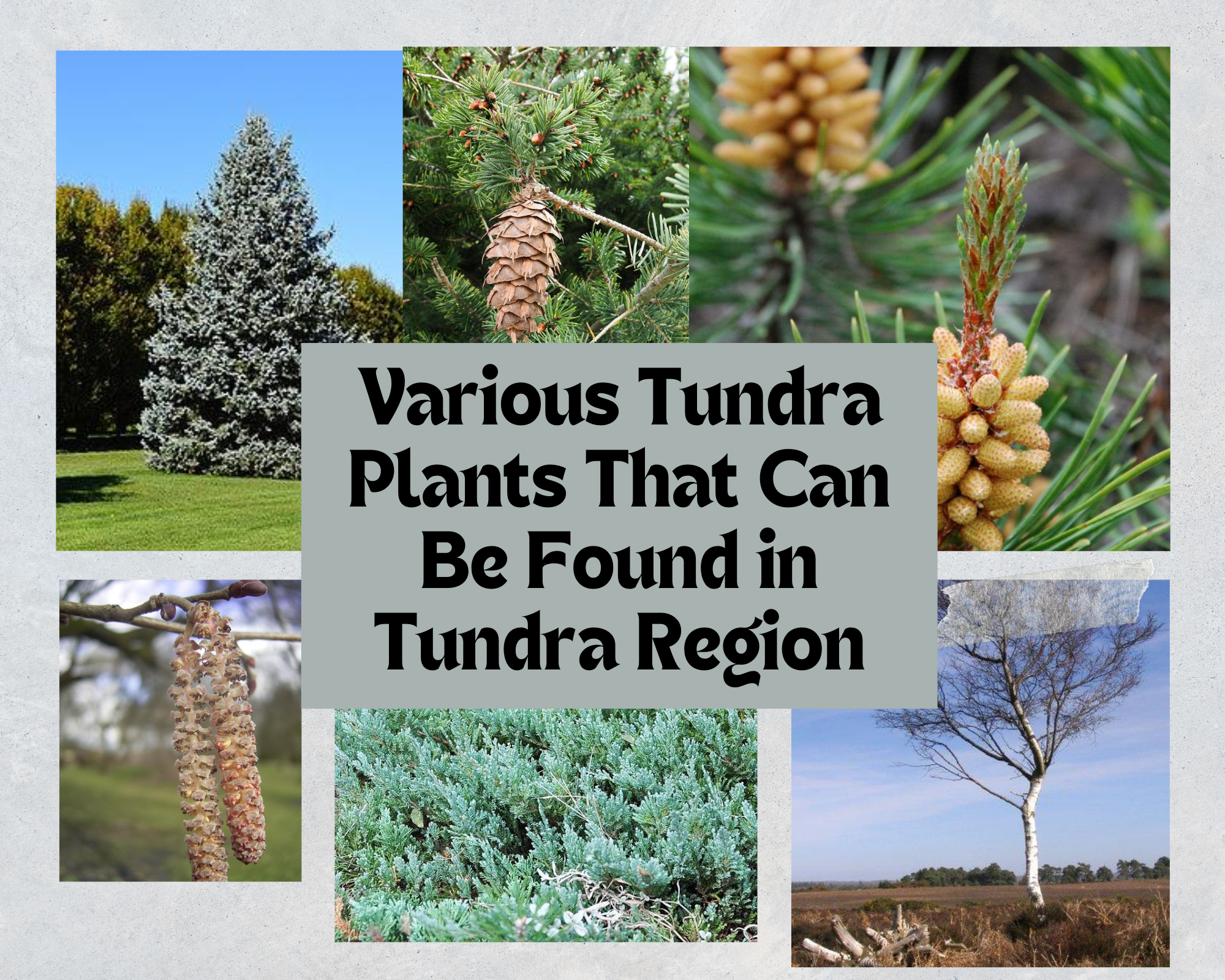
Tundra region is the name given to the coldest area of the world where the average temperature is below freezing point throughout the year and even lower at night. This region is located in North America and consists of Alaska, Canada, Greenland, northern Siberia and northern Scandinavia. It is the northernmost region of the earth and the landmass is surrounded by the Arctic Ocean.
Only two months out of every year would be called a growth season in the tundra. The tundra habitat is thriving with an unexpected array of plant life despite the nearly year-round frigid temperatures. The common perennial plants that you can find on the tundra are listed here, along with a brief description of each one.
1. Aconogonon caeruleus (Blue Spruce)
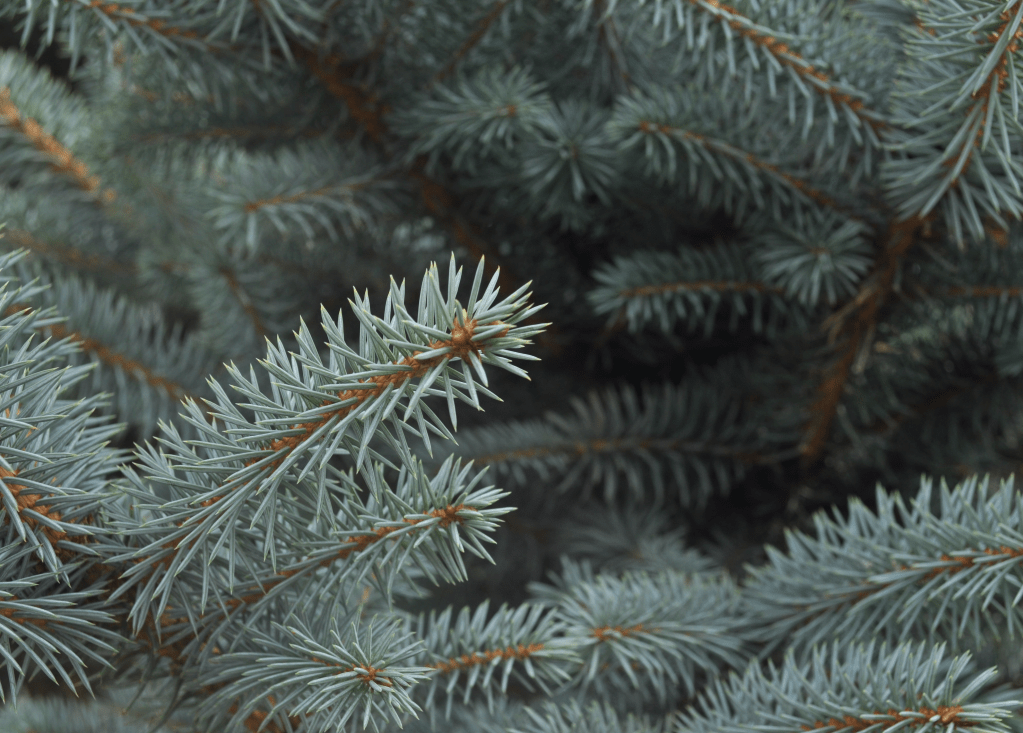
- The Blue Spruce is a hardy perennial plant that thrives in the tundra biome.
- Its scientific name, Aconogonon caeruleus, reflects its resilience and adaptability.
- The plant features blue-green leaves that provide a striking contrast against the rocky tundra landscape.
- Its growth form varies from low mats to small shrubs.
- Cold Tolerance: Blue Spruce has evolved to withstand freezing temperatures. Its leaves are covered in a waxy cuticle, reducing water loss through transpiration.
- Low Growth: Like other tundra plants, it grows close to the ground to avoid strong winds and conserve heat.
- Root System: Its shallow root system allows it to access nutrients from the thin tundra soil.
2. Reindeer Lichen (Cladonia rangiferina)
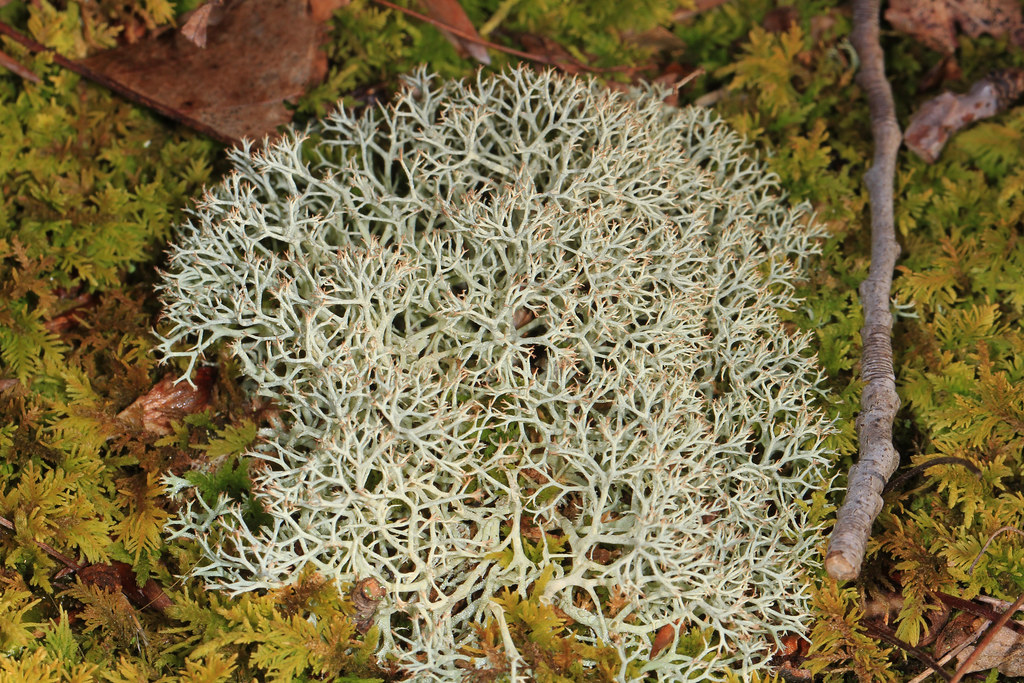
- Reindeer lichen, also known as reindeer cup lichen, grey reindeer lichen, or deer moss, belongs to the family Cladoniaceae.
- Its color ranges from grayish to whitish or brownish gray.
- The thalli (individual lichen units) are fruticose, extensively branched, and typically 1–1.5 millimeters in diameter.
- These lichens form extensive mats up to 10 centimeters (4 inches) tall.
- Reindeer lichen is found primarily in areas of alpine tundra and taiga ecosystems.
- It grows in both hot and cold climates and thrives in well-drained, open environments.
- You’ll often encounter it in northern boreal pine forests and open low-alpine sites.
- Reindeer lichen is extremely cold-hardy. It has evolved to withstand freezing temperatures in the Arctic.
3. Dwarf Willow (Salix herbacea)
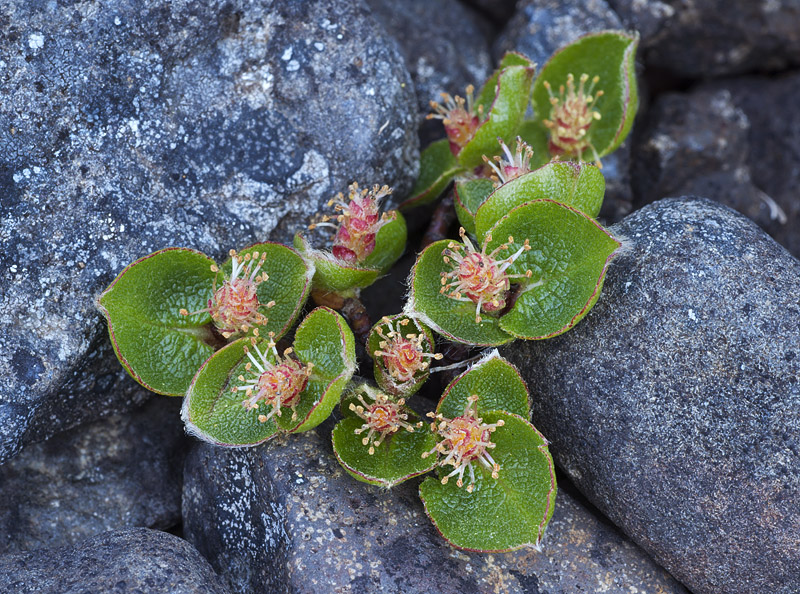
- Dwarf willow is adapted to survive in harsh environments and has a wide distribution on both sides of the North Atlantic.
- It can be found in arctic northwest Asia, northern Europe, Greenland, eastern Canada, and further south on high mountains.
- In the Arctic, it grows in tundra and rocky moorland, ranging from sea level to elevations over 1,500 meters (5,000 feet).
- The dwarf willow is a creeping willow that typically grows to only 1–6 centimeters (1⁄2 – 2 1⁄2 inches) in height.
- Its branches spread prostrate and grow just underground, forming open mats.
- The leaves are deciduous, rounded, shiny green on top, and paler underneath.
- Like other willows, it is dioecious, meaning male and female catkins occur on separate plants.
- The female catkins turn red when ripe, while the male catkins are yellow.
4. Arctic Cotton (Eriophorum scheuchzeri)
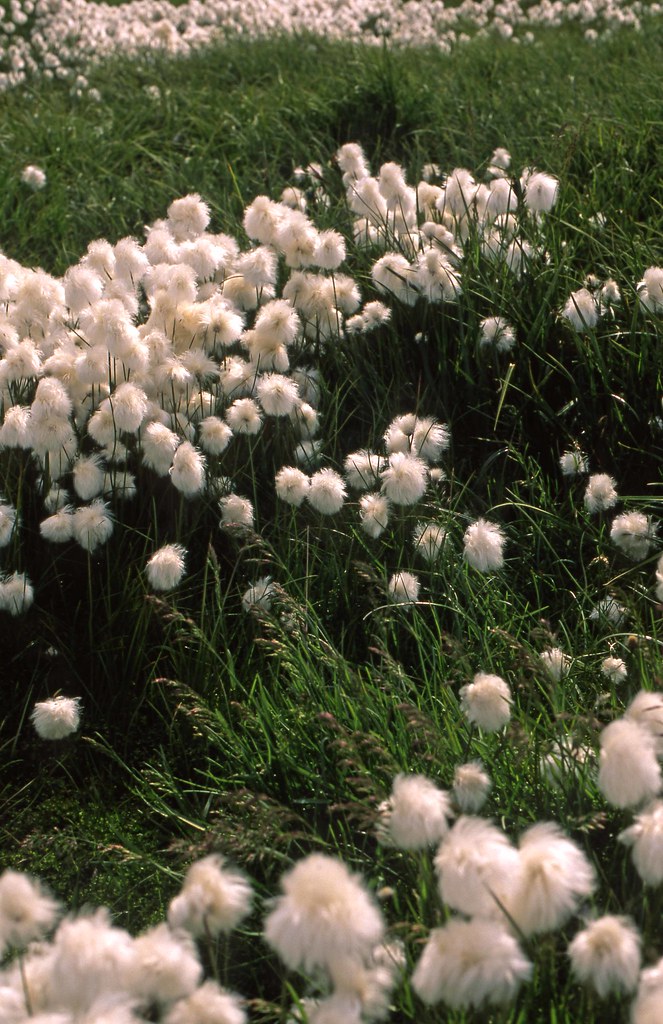
- Arctic Cotton has an arctic circumpolar and circumboreal distribution in the Northern Hemisphere.
- It can be found in Alaska, across Canada, in the Arctic islands, Greenland, Iceland, and across Eurasia.
- Disjunct occurrences also exist in the Rocky Mountains, the high mountains of southern Europe (such as the Pyrenees and Alps), and on Mount Daisetsu in Japan and other Asian mountains.
- Arctic Cotton is a perennial herbaceous plant native to the Arctic, subarctic, and temperate regions of Europe, Asia, and North America.
- It grows in wet meadows, marshes, and bogs, and can reach up to 0.6 meters (about 2 feet) in height.
- The most admired trait of Arctic Cotton is its white, fluffy flowers, which resemble cotton.
5. Labrador Tea (Rhododendron groenlandicum)
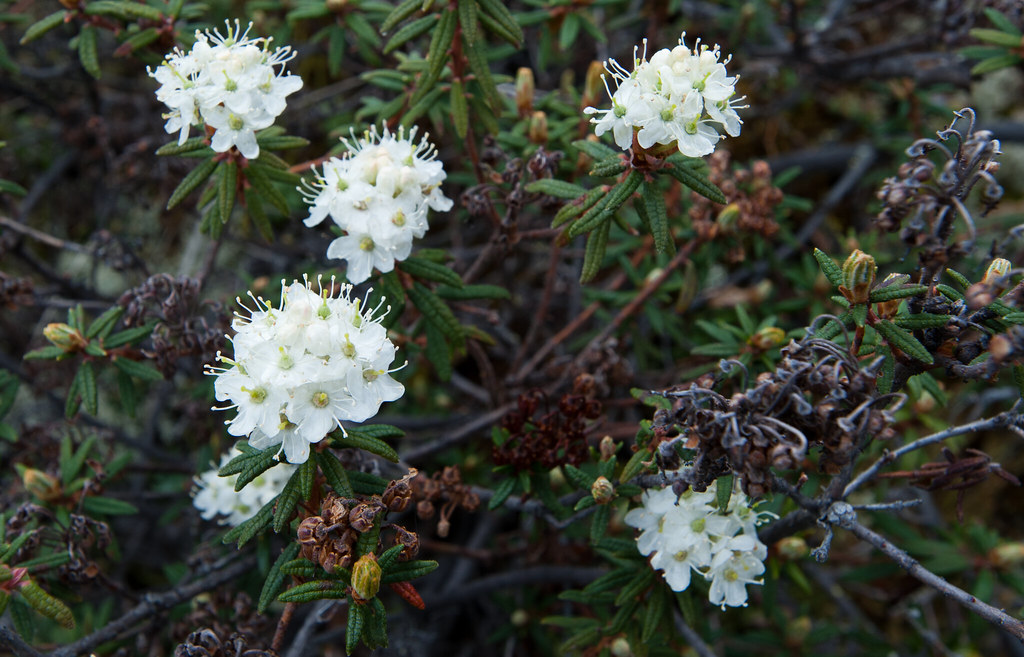
- Labrador Tea has an arctic circumpolar and circumboreal distribution in the Northern Hemisphere.
- It is reported from Greenland, as well as from every province and territory in Canada, and in the northeastern and northwestern United States (New England, New York, Pennsylvania, Michigan, Wisconsin, Minnesota, Idaho, Washington, and Alaska).
- It grows in bogs, muskegs, open tundra, and occasionally on wet shores and rocky alpine slopes.
- Labrador Tea is a low, evergreen shrub that grows in bogs, muskegs, and alpine summits.
- It produces clusters of small, white flowers in June.
- The leaves are wrinkled on top, densely hairy white to red-brown underneath, and have a leathery texture, curling at the edges.
- The tiny white flowers are very fragrant and sticky.
- The leaves of Labrador Tea are regularly used to make beverages and medicines, most commonly a fragrant tea, by many Native American tribes such as the Quinault, Makah, Potawatomi, Anishinaabe, Iroquois, and First Nations tribes in Canada.
6. Purple Saxifrage (Saxifraga oppositifolia)

7. Betula uliginosa – Tundra Birch
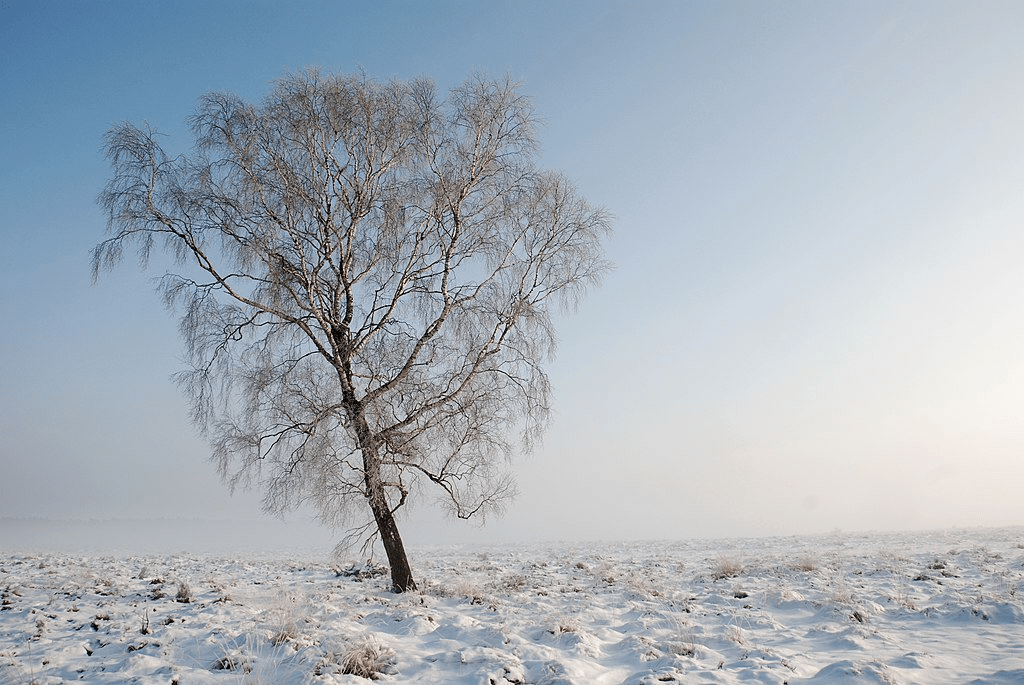
Wikimedia Commons- Betula uliginosa is a medium-sized deciduous tree that can reach up to 30 meters (98 feet) in height.
- It is native to North America and thrives in moist, well-drained soils.
- The tree boasts white bark and features small, triangular leaves.
- The bark of Bog Birch is smooth, resinous, and varicolored or white. It is marked by horizontal pores (lenticels) and usually peels horizontally in thin sheets, especially on young trees.
- As the tree matures, the thick, deeply furrowed bark breaks into irregular plates.
- The leaves are egg-shaped or triangular, usually pointed, and have toothed margins. They are alternately arranged on the branchlets, typically bright green and turning yellow in autumn.
8. Lilium cernuum – Northern White Lily
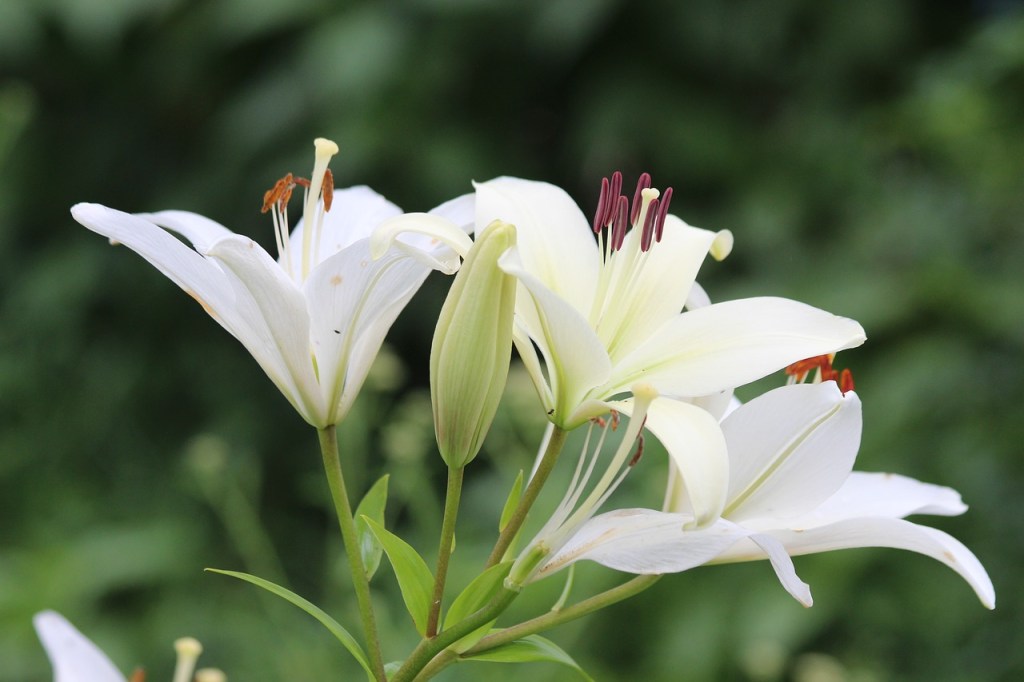
- Lilium cernuum is a species of lily native to Korea, the Primorye region of Russia, and northeastern China (Provinces of Jilin and Liaoning).
- This delicate lily typically grows to a height of 50 cm.
- Its nodding (hanging) flowers are a defining feature, which led to its specific epithet “cernuum.”
- Tundra Environment: Northern White Lily is well-adapted to the harsh conditions of the tundra biome. It thrives in areas with extreme cold, short growing seasons, and nutrient-poor soils.
- Moist, Boggy Habitats: Within the tundra, it often grows in moist, boggy areas near wetlands and marshes.
- Flowers: The flowers of Northern White Lily are usually pink, adorned with maroon spots, although they can range from white to purple. These elegant blooms are also scented.
- Similar Species: In many respects, Lilium cernuum resembles Lilium pumilum, another lily species.
9. Allium angulosum – Siberian Tulip Tree
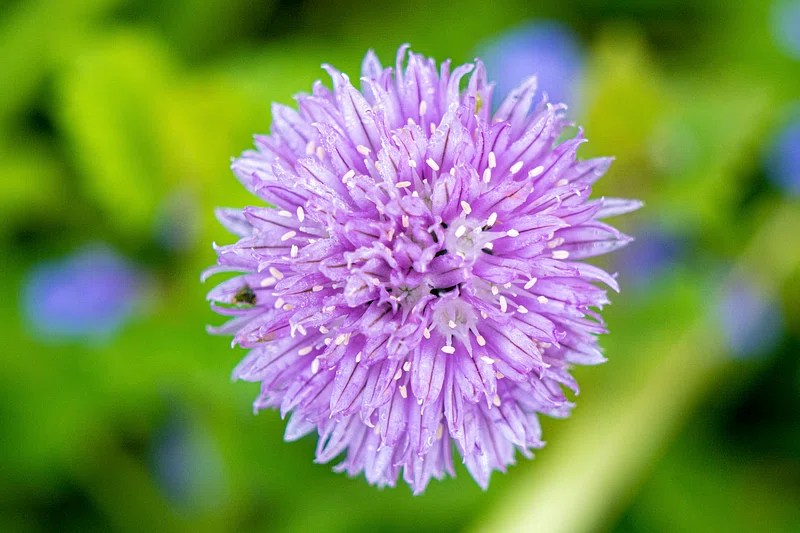
- Native Range: Allium angulosum is native to a wide expanse, stretching from France and Italy across the vast Siberian landscapes to Kazakhstan.
- Habitat: It primarily grows in the temperate biome.
- Introduced Range: Besides its native habitat, it has been introduced into regions such as the Baltic States and Trinidad-Tobago.
- Habit: A perennial herb that reaches a height of approximately 50 cm (about 20 inches).
- Bulbs: These narrow and elongated bulbs measure about 5 mm in diameter.
- Flowers: Forming a hemispherical umbel, the small pink flowers dangle gracefully on long pedicels.
- Ornamental Value: Mouse garlic is cultivated for its aesthetic appeal.
- Culinary Use: Both its bulbs and leaves are edible when cooked or used in salads.
10. Lapland Rosebay (Rhododendron lapponicum)
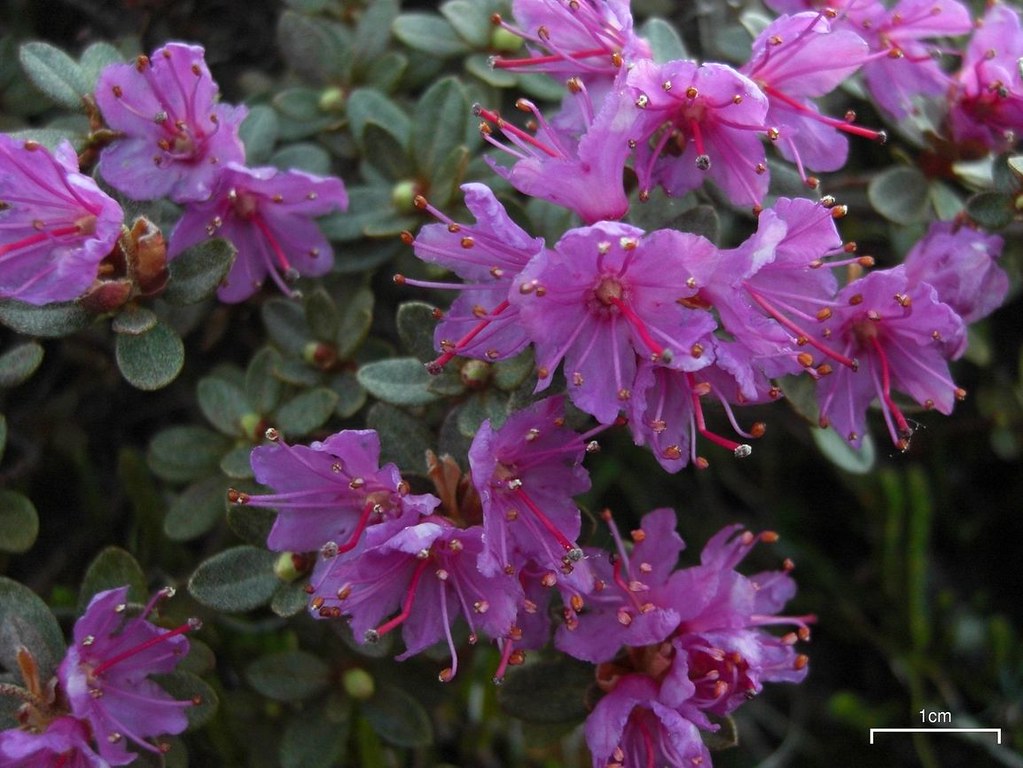
- Native Range: Lapland Rosebay is found in subarctic regions of North America, Europe, and Asia.
- It grows at altitudes ranging from sea level to 1,900 meters (6,200 feet).
- Lapland Rosebay is an evergreen prostrate shrub that typically reaches a height of 20–45 centimeters (7.9–17.7 inches).
- Its leaves are oblong-elliptic or ovate-elliptic to oblongobovate, measuring 0.4–1.5 by 0.2–0.5 centimeters.
- The flowers are reddish or purple.
- Despite numerous attempts, this dwarf species has proved difficult to cultivate.
- It likely requires very cool, moist conditions and snow cover for part of the year.
Significance of Plants in Tundra Region
These hardy and resilient plants play crucial roles in maintaining the delicate balance of this unique ecosystem. Here are some key points:
- Ecosystem Stabilization:
- Tundra plants, including mosses, lichens, grasses, sedges, and dwarf shrubs, help stabilize the soil. Their roots prevent erosion, especially in areas with permafrost.
- Mosses and lichens form dense mats on the ground, acting as natural insulation against the cold temperatures.
- Carbon Sequestration:
- Despite their small size, tundra plants contribute significantly to carbon sequestration. They absorb carbon dioxide from the atmosphere during photosynthesis.
- As the tundra warms due to climate change, understanding the role of these plants in carbon cycling becomes crucial.
- Wildlife Habitat:
- Tundra plants provide essential habitats for various wildlife species. Birds, insects, and small mammals rely on them for food, shelter, and nesting sites.
- The low-growing vegetation offers hiding places for animals seeking refuge from predators.
- Food Source:
- The tundra supports herbivores such as reindeer, muskoxen, and Arctic hares. These animals graze on tundra plants, especially during the short growing season.
- The Arctic poppy, for instance, provides nectar for pollinators.
- Traditional Uses:
- Indigenous communities have long relied on tundra plants for survival. Labrador tea leaves, for example, are used to make herbal teas.
- Some plants have medicinal properties and are used to treat various ailments.
- Indicator Species:
- Tundra plants serve as indicators of environmental changes. Their growth patterns, flowering times, and distribution can reveal shifts in climate and habitat conditions.
- Scientists study these plants to monitor the effects of global warming on the tundra.
- Biodiversity Hotspots:
- Despite the harsh conditions, the tundra hosts a surprising diversity of plant species. Each plant has adapted unique strategies to thrive.
- The presence of these hardy species contributes to the overall biodiversity of the region.
References:
Subscribe
Subscribe to get exclusive updates in our weekly newsletter!
Follow us on twitter @DecodingBiosph1
You May Also Like


 Decoding Biosphere